About Essential oils
About Essential oils
Numerous types of essential oils exist, each of them having their own characteristics.
Here are some of the features of each plant that are the basis of essential oils, characteristics of extracted essential oils, origins of their names, and ways of utilization.
Ylang-Ylang
Holy Basil
German Camomile
Roman Chamomile
Clary Sage
Kuromoji
Clove
Grapefruit
Shell Ginger
Black Pepper
Cypress
Sandalwood
Citronella
Cinnamon (Cinnamomum verum)
Benzoin
Cardamom
Jasmine (Arabian Jasmine)
Ginger
Sweet Orange
Spearmint
Common Juniper (Juniper Berry)
Sage
Geranium
Thyme
Damask Rose
Tea Tree
Niaouli
Pine (Pinus Sylvestris)
Patchouli
Palmarosa
Hinoki
Hiba
Wintergreen (Checkerberry)
Bitter Orange
Fennel
Frankincense
Helichrysum (Immortelle)
Vetiver
Bergamot
Peppermint
Camphor Tree
Marjoram
Mandarin
Myrrha
May Chang (Litsea cubeba)
Melissa (Lemon Balm)
Yuzu
Eucalyptus Globulus
Eucalyptus Citriodora
Eucalyptus Radiata
Lime
Lavandin
Lavender
Lemon
Lemongrass
Rosalina
Rosemary
Laurel
About Extraction methods
There are several methods to extract essential oils, and the chemical components and characteristics vary depending on the extraction methods.
Here, we will show some of the mechanisms of each extraction method, refering to technical knowledges.
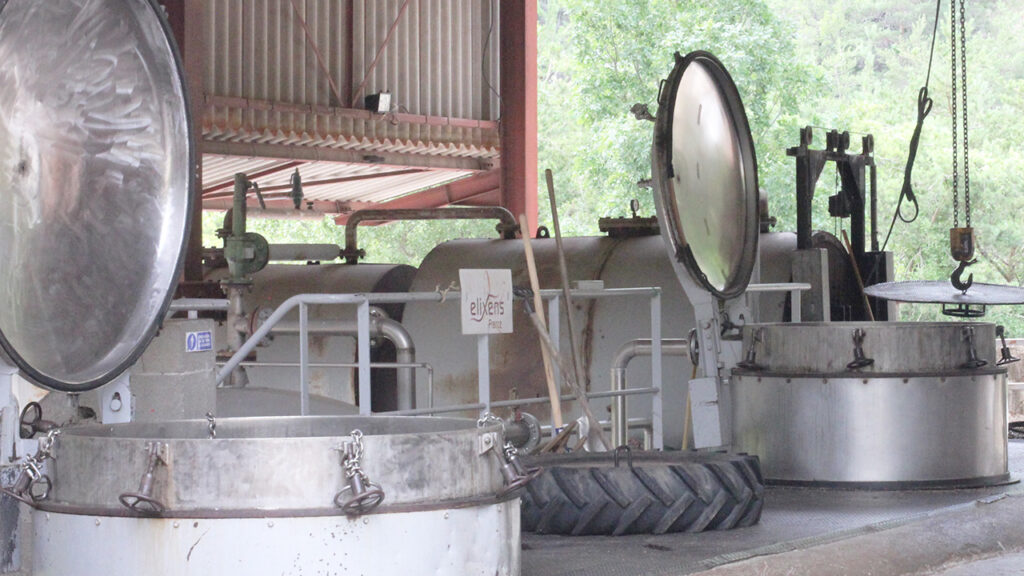
Steam Distillation
Steam distillation is a method employed to extract aromatic compounds from plants by utilizing the heat generated from boiling steam.

Expression (Cold Press)
The cold press method is a straightforward technique used to extract aromatic components from raw plant materials by crushing the plant.
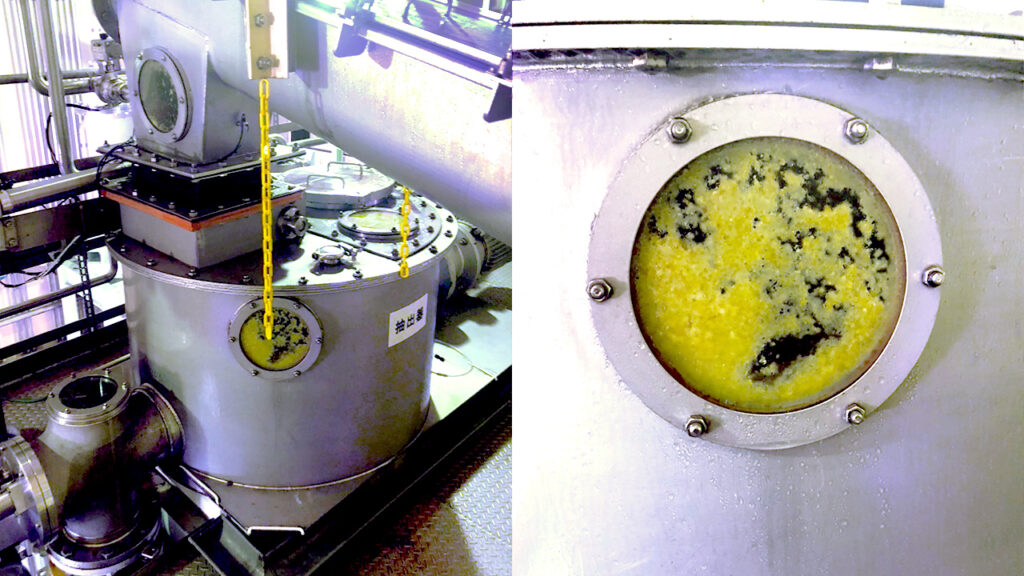
Solvent Extraction
The solvent extraction method involves extracting the components present in the raw plant material using an organic solvent.